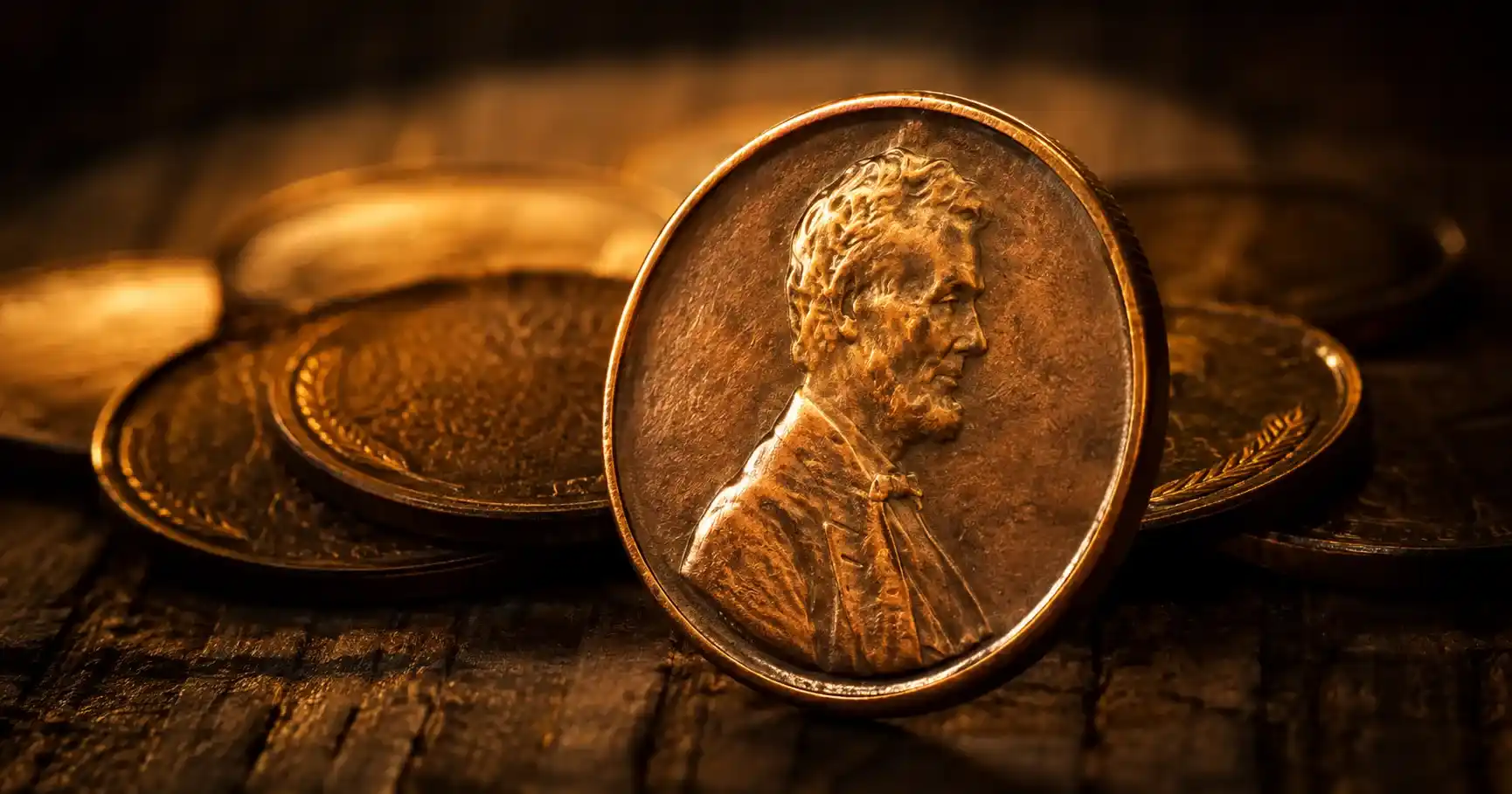
The Wheat Penny, officially known as the Lincoln Wheat Cent, is one of the most collected coins in American history. Minted from 1909 to 1958, this small copper coin has quietly become one of the strongest-performing categories in the collectible coin market. If you have ever wondered what your old pennies are really worth today compared to a decade ago, this Wheat Penny Value Guide 2026 breaks down the numbers, the key dates, and the trends shaping the market right now.
A Quick History of the Wheat Penny
The Lincoln Wheat Cent was introduced in 1909 to mark the 100th anniversary of Abraham Lincoln’s birth. It holds a unique place in numismatic history as the first regularly circulating United States coin to feature a real person rather than a symbolic design. The reverse side displays two wheat stalks, representing prosperity and the country’s agricultural roots — a design that gave the coin its popular nickname. Wheat pennies remained in circulation for nearly fifty years until they were replaced by the Lincoln Memorial design in 1959.
Why Wheat Pennies Are Booming in 2026
Coin collecting has seen a major resurgence in recent years, fueled by online auctions, digital price guides, and a new generation of collectors discovering the hobby through social media. For Wheat Pennies specifically, a combination of factors is pushing values higher heading into 2026:
- Shrinking supply of high-grade coins. Even common dates are becoming harder to find in well-preserved, uncirculated condition, which increases premiums for top-quality examples.
- Rising copper prices. While collector demand still outweighs raw metal value for rare coins, higher copper prices have gradually lifted the base value of common wheat pennies.
- Wider market access. Online marketplaces and auction platforms have made it easier than ever for buyers and sellers to connect, increasing competition for scarce coins.
- Renewed interest in tangible assets. Physical collectibles like coins offer a sense of stability that purely digital investments cannot replicate, which has drawn new buyers into the market.
10-Year Price Growth: Then vs Now
Looking back at the last decade, Wheat Penny values have shown consistent upward movement, though the pace of growth varies significantly by category:
Common circulated wheat pennies — Coins from high-mintage years remain widely available and affordable. However, even these everyday dates have appreciated gradually over the past ten years, largely because well-preserved examples are becoming scarcer as time passes and fewer coins survive in top condition.
Better-date circulated coins — Wheat pennies from lower-mintage years or specific mint marks have seen steadier, more noticeable price growth compared to common dates, especially as collector awareness of these dates has grown.
Mint State (uncirculated) examples — This is where the most dramatic growth has occurred. Coins with sharp details and original luster now command far higher premiums than they did a decade ago, since certified high-grade examples are in especially limited supply relative to growing demand.
Key dates and rare varieties — The scarcest wheat pennies have appreciated the most aggressively, with some certified specimens reaching well into the six-figure range at auction.
Key Dates Every Collector Should Know
Some Wheat Penny dates and varieties stand out as the most valuable in the entire series:
1909-S VDB — Considered the most iconic Wheat Penny of all, thanks to its low mintage and the designer’s initials appearing on the reverse. This date has long been considered essential for any serious collection.
1914-D — A famously scarce Denver Mint issue. Circulated examples typically trade in the hundreds of dollars, while top-condition Red Mint State specimens have sold for well over one hundred thousand dollars.
1922 “No D” — A well-known mint error where worn dies caused coins to be struck without the Denver mint mark. Certified high-grade examples can bring tens of thousands of dollars.
1955 Doubled Die — One of the most recognizable error coins in American numismatics, with doubling visible in the date and lettering without magnification. Circulated coins often sell in the low thousands, while premium Red examples have exceeded six figures.
1931-S — A lower-mintage San Francisco issue that has become increasingly difficult to find in top condition, driving strong and steady price appreciation.
What Determines a Wheat Penny’s Value?
Several key factors decide whether a Wheat Penny is worth a few cents or a small fortune:
- Date and mint mark – Lower-mintage years and specific mints (especially San Francisco and Denver) tend to carry higher premiums.
- Condition and grade – The difference between a heavily worn coin and a certified Mint State example can mean a difference of thousands of dollars.
- Mint errors – Doubled dies, missing mint marks, and off-center strikes can transform an ordinary coin into a legendary rarity.
- Certification – Coins graded by a recognized third-party grading service typically command stronger prices due to buyer confidence in authenticity.
- Market liquidity – A coin can be rare but still have limited resale demand; consistent auction activity and collector interest matter just as much as scarcity.
Tips for Collecting Wheat Pennies in 2026
- Start with your own coin jars and inherited collections. Wheat pennies still occasionally surface in old coin rolls, jars, and family collections.
- Learn to identify mint marks. Check for a small “D” (Denver) or “S” (San Francisco) below the date — these coins are often scarcer than coins with no mint mark, which were struck in Philadelphia.
- Inspect for doubling and errors under magnification. Many of the most valuable wheat pennies are error coins that are easy to miss without a closer look.
- Track auction results and price guides regularly. Because prices shift year to year, keeping up with recent sales data gives a much more accurate picture of true market value than outdated references.
- Consider professional grading for potentially rare coins. Certification protects both authenticity and long-term resale value.
- Store coins properly. Use coin flips, albums, or capsules to prevent scratches, toning damage, and value loss over time.
Final Thoughts
The Wheat Penny remains one of the most rewarding entry points into coin collecting, offering both historical significance and genuine financial upside. Over the past ten years, values across nearly every category have trended upward, with the sharpest gains concentrated in key dates, mint errors, and high-grade certified coins. Whether you’re just starting to sort through an old coin collection or you’re chasing a specific rare date, understanding how Wheat Penny values have shifted can help you make smarter decisions — and might just turn a forgotten penny into a genuine treasure.
Disclaimer: Coin values fluctuate based on condition, demand, and market trends. Prices mentioned here are for informational purposes only and should not be considered financial advice. Always consult a professional numismatist or certified grading service before buying or selling collectible coins.