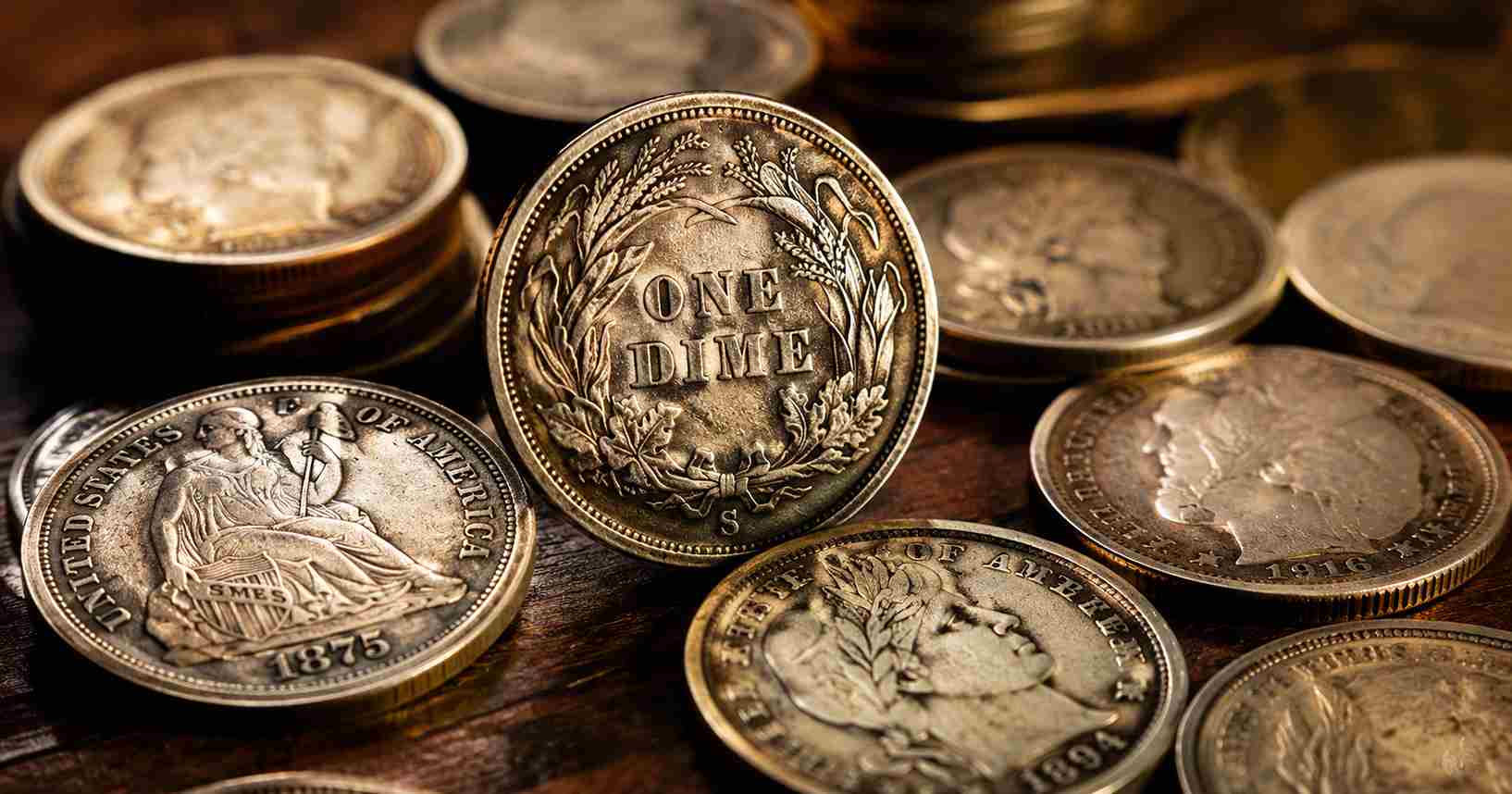
The humble dime is one of the smallest coins in American currency, yet it holds some of the biggest surprises in the world of numismatics. From silver Mercury dimes to modern Roosevelt error coins, dime collectible coins have quietly turned pocket change into life-changing fortunes for lucky collectors. If you have ever wondered whether that old dime in your drawer is worth more than ten cents, this guide breaks down everything you need to know.
Why Dime Collectibles Are So Popular
Coin collecting, also known as numismatics, has exploded in popularity over the last few years, and dimes sit right at the center of that boom. They are affordable to start collecting, easy to store, and surprisingly rich in history. Unlike gold coins or rare stamps that require deep pockets to even begin collecting, dimes let beginners build an exciting collection for just a few dollars per coin — while still offering the thrill of finding a hidden five- or six-figure rarity.
Dimes have been minted in the United States since 1796, and over more than two centuries, the design, metal composition, and mint locations have changed many times. Each of these changes created small batches of coins that are now extremely scarce, and scarcity is what drives collectible value.
The Main Types of Collectible Dimes
Understanding the major dime series is the first step to becoming a smart collector.
1. Draped Bust and Capped Bust Dimes (1796–1837) These are the earliest United States dimes and are almost always valuable simply because of their age and low original mintage numbers. Even well-worn examples can fetch hundreds of dollars, while pristine specimens are worth a small fortune.
2. Seated Liberty Dimes (1837–1891) This long-running series includes several ultra-rare dates and mint errors. Coins struck without the required arrows beside the date, or from unusual mints like Carson City, are among the most sought-after dimes in existence.
3. Barber Dimes (1892–1916) Named after their designer, Barber dimes are common in worn condition but become dramatically valuable in higher grades. A handful of key dates from this series are considered the holy grail for serious dime collectors.
4. Mercury Dimes (1916–1945) Featuring the iconic winged Liberty head design, Mercury dimes are among the most collected coins in America. Collectors specifically look for coins with “Full Bands,” a designation showing crisp, unworn detail on the reverse, which significantly boosts value even for common dates.
5. Roosevelt Dimes (1946–Present) Still in circulation today, most Roosevelt dimes are worth only face value. However, modern minting errors — including missing mintmarks, wrong-planchet strikes, and doubled dies — have created a surprisingly active market for dimes made within the last 50 years.
What Makes a Dime Valuable?
Several factors determine whether a dime is worth a few cents or thousands of dollars:
- Rarity of the date and mint mark – Low mintage years are the biggest driver of value.
- Condition (grade) – Coins are graded on a scale, and even small differences in preservation can multiply value many times over.
- Minting errors – Missing mint marks, doubled dies, and off-metal strikes are prized by error-coin collectors.
- Metal content – Any dime made before 1965 contains 90% silver, giving it a guaranteed minimum value based on the current silver price, regardless of collector demand.
- Certification – Coins graded and authenticated by trusted third-party services carry more buyer confidence and typically sell for higher prices.
Some of the rarest dimes in history have sold for jaw-dropping sums at major auctions, with a handful of unique specimens fetching well over a million dollars. Even collectors who never find one of these ultra-rare coins can still enjoy building a meaningful collection, since many silver dimes and scarcer varieties remain within reach of an average budget.
How to Start Collecting Dimes
If you are new to dime collecting, here is a simple approach to get started:
- Check your change first. Before buying anything, look through pocket change, coin jars, or inherited collections. Pre-1965 silver dimes and certain Roosevelt-era errors do occasionally turn up in circulation.
- Learn to identify key dates. Get familiar with the specific years and mint marks known to be scarce within each series.
- Invest in a magnifying glass. Many valuable errors and varieties are only visible under magnification.
- Use trusted grading guides. Reference pricing tools from established grading organizations before assuming a coin’s value.
- Store coins properly. Use coin flips, albums, or capsules rather than loose storage, since scratches and oxidation can dramatically reduce value.
- Consider professional grading. For coins that appear rare or valuable, professional certification protects both authenticity and resale value.
Tips for Buying and Selling Dime Collectibles
Whether you are building a personal collection or looking to sell inherited coins, keep these tips in mind:
- Always compare a coin against verified reference images before assuming it is a rare variety.
- Be cautious of sellers offering “too good to be true” prices for supposedly rare coins.
- Attend local coin shows or work with reputable dealers for higher-value transactions.
- Track recent auction results to understand realistic current market prices, since coin values can shift with silver prices and collector demand.
Final Thoughts
Dime collectible coins offer something rare in today’s world: an accessible hobby with genuine potential for financial upside. Whether you are drawn to the artistry of a Mercury dime, the historical weight of an early Seated Liberty piece, or the thrill of spotting a modern minting error, there has never been a better time to start paying closer attention to the dimes passing through your hands. A little research and a keen eye could be the difference between spending a dime and holding onto a genuine treasure.
Disclaimer: Coin values fluctuate based on market demand, condition, and certification. Always consult a professional numismatist or grading service before buying or selling high-value collectible coins.