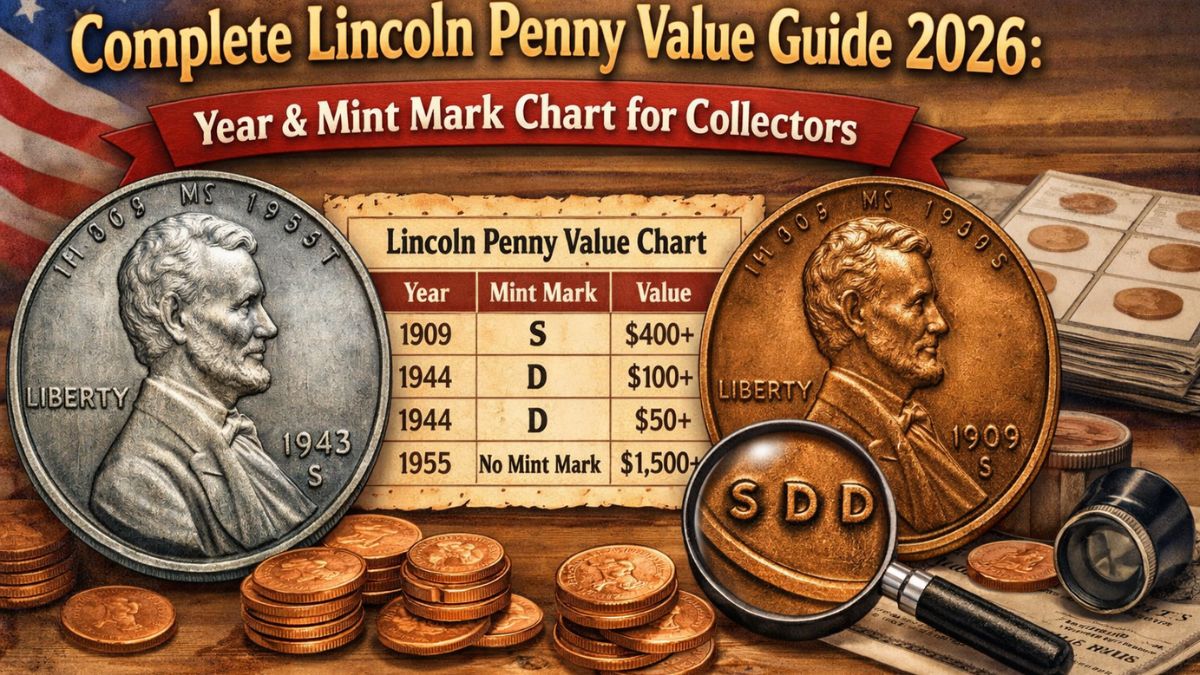
The Lincoln penny may be the smallest denomination in U.S. currency, but in the world of coin collecting, it carries enormous historical and financial significance. As we enter 2026, interest in Lincoln pennies continues to grow among beginners, seasoned collectors, and even casual hobbyists who are curious about the coins sitting in their drawers or jars. A complete Lincoln penny value guide for 2026 is not just about prices; it is about understanding history, rarity, mint marks, condition, and market demand, all working together to determine a coin’s true worth.
First introduced in 1909 to honor Abraham Lincoln, the Lincoln cent became the first U.S. coin to feature a real historical figure. Over the decades, it has evolved in design, metal composition, and minting style, creating an incredibly rich and complex series for collectors. In 2026, updated year and mint mark charts help collectors better navigate this long-running and iconic coin series.
Why Lincoln Pennies Are Still Highly Collectible in 2026
More than a century after their introduction, Lincoln pennies remain one of the most collected coins in the United States. One major reason is accessibility. Unlike rare gold or silver coins that require significant investment, Lincoln pennies can still be found in circulation, inherited collections, or old family keepsakes. This makes them an ideal entry point into the world of numismatics.
In 2026, the popularity of Lincoln pennies is also driven by digital platforms and online marketplaces, where collectors can easily buy, sell, and research coins. Social media and educational content have introduced younger audiences to coin collecting, while experienced collectors are refining their collections with higher-grade examples. As a result, demand for accurate and up-to-date value guides has never been higher.
Understanding the Lincoln Penny Series by Era
To fully use a Lincoln penny value guide, collectors must understand the major eras of production. Each era has its own design features, metal compositions, and value trends that shape the 2026 market.
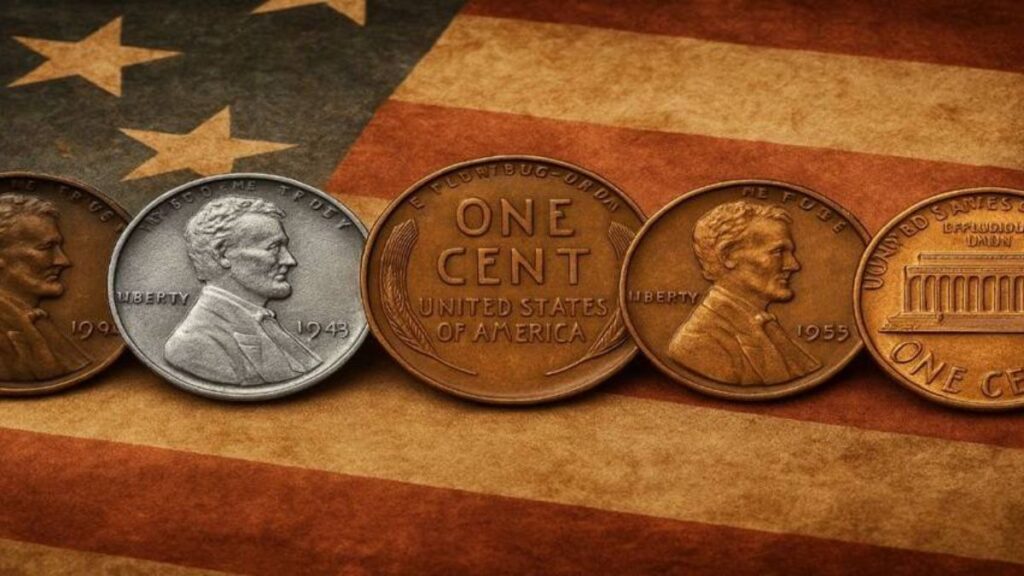
The Wheat Penny era, running from 1909 to 1958, is often the most popular. These coins feature two wheat stalks on the reverse and are closely associated with early 20th-century American history. Many of the most valuable Lincoln pennies come from this era, especially low-mintage years and coins struck during times of economic hardship or war.
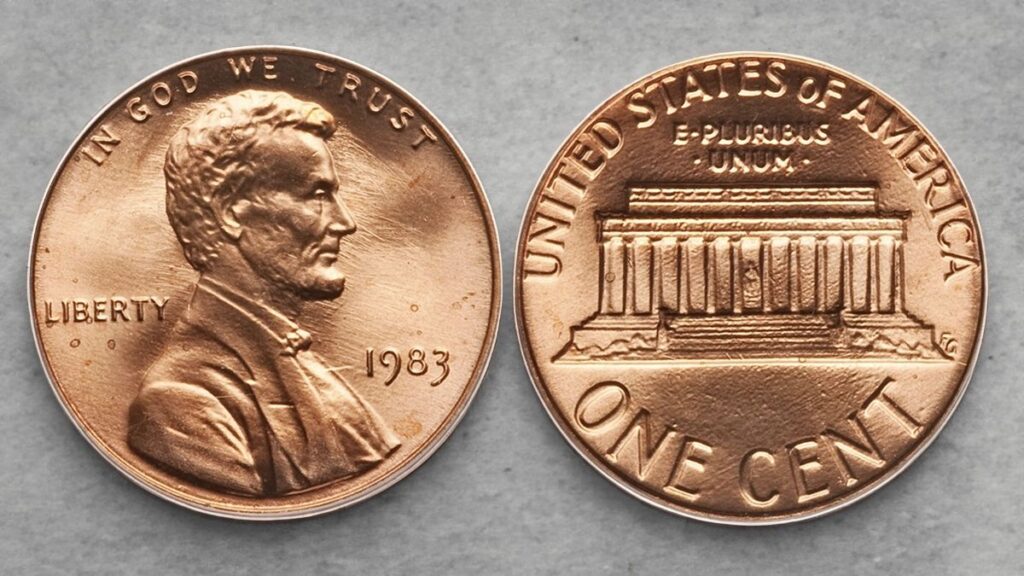
The Memorial Penny era began in 1959 and lasted until 2008. While many Memorial cents are common, certain years, mint marks, and high-grade examples can be surprisingly valuable. This era also includes important metal composition changes that influence collector interest.
The Modern Lincoln Cent era started in 2009 and continues into 2026. Although most modern pennies are worth face value, pristine uncirculated coins, proof issues, and error varieties are gaining attention as collectors look ahead to long-term value potential.
How Year and Mint Mark Affect Lincoln Penny Values
Year and mint mark are two of the most critical factors in any Lincoln penny value guide. The year tells collectors when the coin was produced, while the mint mark indicates where it was made. Pennies have historically been struck at mints in Philadelphia, Denver, and San Francisco, and each location can produce coins with very different values.
In some years, one mint may have produced far fewer coins than others, making those pennies scarcer and more desirable. In other cases, certain mints are associated with well-known errors or higher-quality strikes. In 2026, collectors pay close attention to these details when using year and mint mark charts to estimate value.
The Role of Condition in 2026 Penny Values
Condition, often referred to as grade, plays a massive role in determining a Lincoln penny’s value. Two pennies from the same year and mint can have dramatically different prices depending on wear, surface quality, and overall preservation.
In 2026, collectors are increasingly focused on higher-grade coins. A worn penny with faded details may only be worth a few cents, while the same coin in near-perfect condition could be worth hundreds or even thousands of dollars. Professional grading services help standardize these evaluations, and certified coins often command premium prices in the market.
Wheat Pennies and Their Place in the 2026 Value Guide
Wheat pennies continue to dominate collector interest in 2026. Early dates from the 1909–1920 period are especially desirable, particularly when paired with scarce mint marks. These coins reflect a time when minting technology was less advanced, making high-quality examples much harder to find.
Collectors using a complete value guide often discover that even common-date Wheat pennies can be valuable if they are well preserved. The combination of age, historical context, and collector nostalgia keeps demand strong year after year.
[also_read id=”1314″]
Memorial Pennies: Common Coins With Hidden Value
Many people assume Memorial pennies are worthless because they are so familiar. However, a detailed 2026 value guide reveals that this is not always the case. Certain Memorial cents, especially those in high grades or with unusual errors, are actively sought after by collectors.
Metal composition changes during this era also affect value. Pennies from specific years may contain different copper content, which can influence both intrinsic and collectible value. As collectors become more educated, Memorial pennies are receiving renewed attention.
Modern Lincoln Pennies and Long-Term Potential
Modern Lincoln pennies, including those produced after 2009, are often overlooked. Yet in 2026, collectors are beginning to see their long-term potential. High-quality uncirculated examples, proof coins, and error varieties are increasingly being set aside by collectors who believe future scarcity will drive demand.
Year and mint mark charts for modern pennies help collectors identify which coins are worth saving now. While most will remain face value, a small percentage could become valuable decades down the line.
Error Coins and Varieties in the 2026 Market
Errors and varieties add excitement and unpredictability to Lincoln penny collecting. These coins result from mistakes during the minting process, such as doubled dies, off-center strikes, or incorrect planchets. In 2026, error coins are among the fastest-growing segments of the penny market.
A complete value guide often includes notes about known errors for specific years and mint marks. As technology improves, more varieties are being identified, expanding the scope of what collectors consider valuable.
How to Use a Lincoln Penny Value Guide Effectively
A value guide is a powerful tool, but it should be used wisely. In 2026, collectors are encouraged to treat price charts as estimates rather than guarantees. Market demand, auction trends, and individual coin characteristics can all cause values to fluctuate.
Comparing multiple sources, including recent sales and professional appraisals, provides a clearer picture of a coin’s true worth. Understanding grading standards and being realistic about condition is essential for accurate valuation.
[also_read id=”1322″]
Market Trends Shaping Lincoln Penny Values in 2026
The broader economic environment also affects coin values. In times of uncertainty, tangible assets like collectible coins often attract increased interest. In 2026, many collectors view Lincoln pennies not only as historical artifacts but also as alternative investments.
Online auctions and global marketplaces have expanded the reach of the coin market, increasing competition for rare and high-grade examples. This has led to more frequent updates in value guides to reflect real-time demand.
Preserving the Value of Your Lincoln Penny Collection
Proper care is essential to maintaining a penny’s value. Improper cleaning, handling, or storage can permanently reduce a coin’s worth. In 2026, collectors are more aware than ever of the importance of using protective holders and stable storage environments.
A well-preserved collection not only retains value but also becomes more enjoyable to study and display. Each coin tells a story, and preserving its condition helps keep that story intact for future generations.
What Collectors Should Remember in 2026
A complete Lincoln penny value guide for 2026 is more than a reference book; it is a roadmap through one of the most fascinating coin series in American history. Whether you are searching through pocket change or building a certified collection, understanding year and mint mark charts empowers smarter decisions.
The key takeaway is patience. Values can rise over time, especially for coins that are scarce, well preserved, or historically significant. Knowledge, careful observation, and consistent learning are the collector’s greatest tools.
Final Thoughts on the Complete Lincoln Penny Value Guide 2026
The Lincoln penny proves that even the smallest coin can carry immense historical and financial value. In 2026, collectors have access to more information, tools, and market data than ever before. By understanding how year, mint mark, condition, and market trends interact, collectors can better appreciate what makes each Lincoln penny unique.
Whether you are a beginner discovering your first Wheat penny or an experienced numismatist refining a high-grade set, the 2026 Lincoln penny value guide serves as a trusted companion. It reminds us that behind every cent lies a story, and sometimes, a surprising amount of value waiting to be uncovered.
FAQs
1. What does a Lincoln penny value guide show in 2026?
It shows estimated values based on year, mint mark, and coin condition.
2. Why are year and mint marks important for Lincoln pennies?
They indicate rarity and help determine how valuable a penny may be.
3. Are modern Lincoln pennies worth collecting in 2026?
Yes, high-grade, proof, and error coins may have long-term value potential.