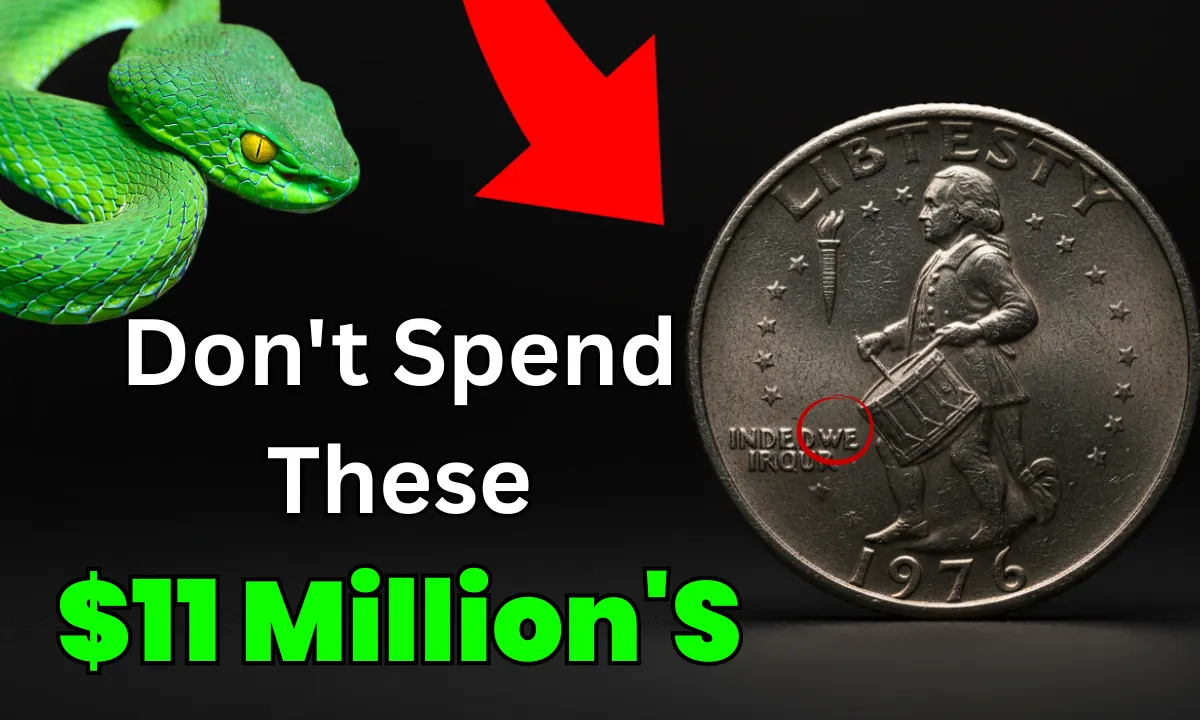
The 1976 Bicentennial Quarter marks America’s 200th birthday with its distinctive reverse showing a drummer boy, torch, and 13 stars for the original colonies. While billions entered circulation, select versions hold real collector appeal today. Knowing what sets common pieces apart from treasures takes just a bit of insight.
Design and Minting Facts
Philadelphia and Denver mints struck over 1.6 billion copper-nickel clad quarters for everyday use, dated 1776-1976 on the obverse with George Washington. San Francisco added proof and silver-clad editions totaling around 15 million, aimed at sets rather than pockets. Jack L. Ahr crafted the reverse to evoke revolutionary spirit, a one-year design that still draws eyes half a century later.
Mint Marks Explained
No mint mark means Philadelphia, “D” signals Denver, and “S” denotes San Francisco key for gauging scarcity. Philadelphia and Denver outputs dwarf San Francisco’s, so “S” coins from collector sets often trade higher even in modest shape. Check below the wreath on the obverse; that tiny letter unlocks potential worth.
Spotting Valuable Errors
DoublED die errors, where letters or stars look fuzzy from die shifts, turn ordinary quarters into auction stars worth hundreds. Off-center strikes missing design edges or grease-filled mint marks add rarity too use a loupe to scan inscriptions and rims against known examples. Certified errors from services like PCGS routinely fetch premiums over standard issues.
Current Value Guide
| Type | Composition | Typical Value (Circulated) | High-Grade Potential |
|---|---|---|---|
| P or D Circulation | Copper-nickel clad | 25 cents to $1 | $2–$8 |
| S Proof | Copper-nickel | $3–$10 | $20+ |
| S Silver Proof/Uncirculated | 40% silver | $6–$20 | $50–hundreds |
| Error Varieties | Varies | $100+ | Thousands |
Values hold steady into 2026, with pristine silver proofs and errors leading sales; condition drives everything.
Collecting Smart Tips
Examine pocket change or inherited jars first, prioritizing luster and full strikes over shine alone. Store in albums or slabs to fend off toning, and cross-check with guides like the Red Book for authenticity. For buys, stick to reputable dealers or graded slabspatience builds sets that appreciate over time.