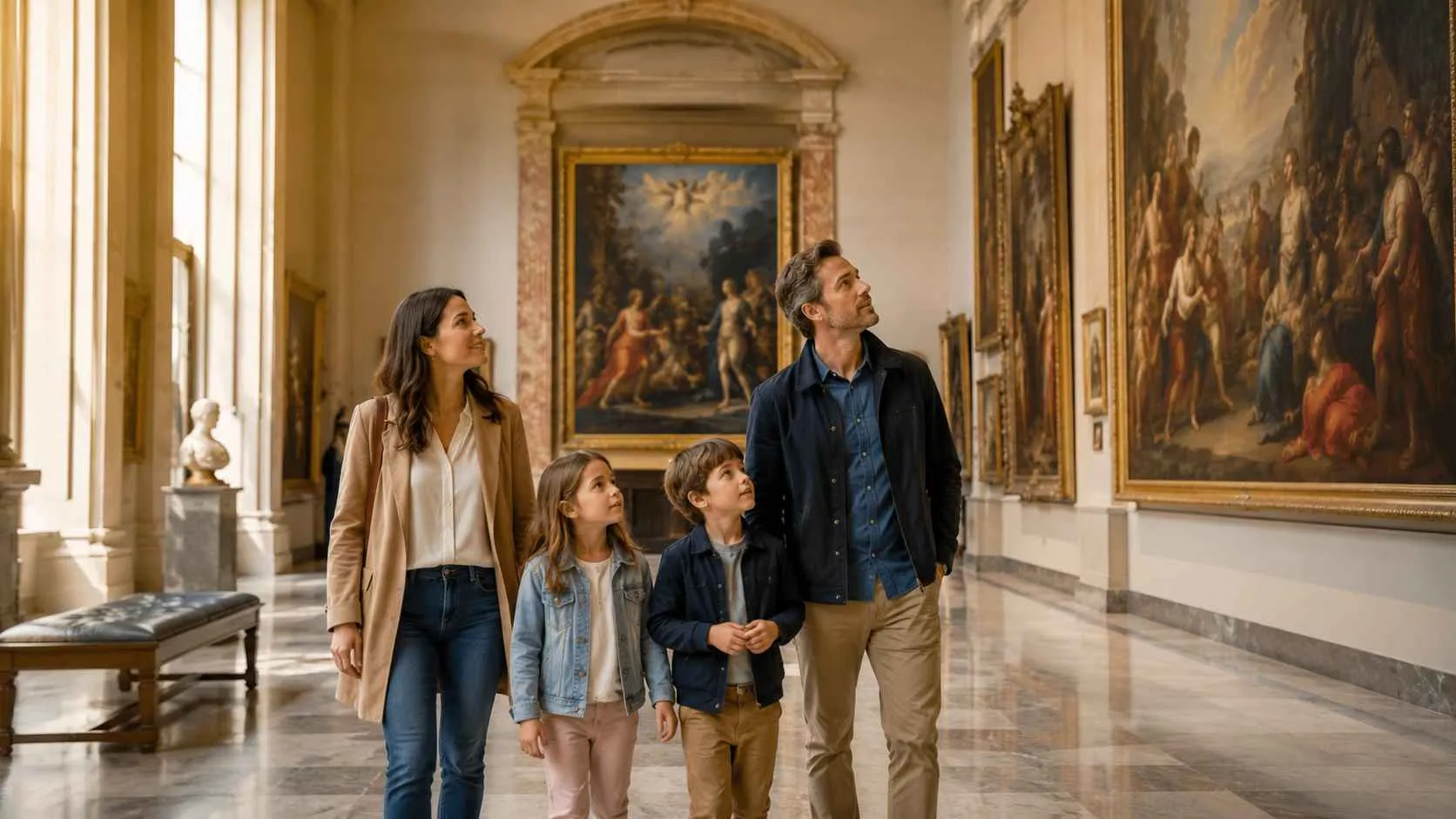
Standing in front of a 400-year-old Rembrandt with a bored eight-year-old tugging at your sleeve is a very specific kind of parenting challenge. Washington DC has some of the finest art collections on the planet, almost all of them free to enter, and yet getting kids to actually look at the art rather than just walk past it takes a little strategy. That’s where scavenger hunts come in.
A well-designed art museum scavenger hunt turns passive wandering into active looking. Instead of asking “are we done yet,” kids start asking “where’s the painting with the dog in it.” This guide walks through where to find scavenger hunts in DC’s major art museums, how to build your own when an official one doesn’t exist, and practical tips for making the day work for your family, whether you’ve got toddlers, tweens, or a mixed group of ages.
Table of Contents
- Why Art Museum Scavenger Hunts Work
- Best DC Art Museums for Scavenger Hunts
- Museum Comparison Table
- How to Build Your Own Scavenger Hunt
- Sample Scavenger Hunt Prompts by Museum
- Visitor Experience and Planning Advice
- Prices, Hours, and Accessibility
- Family Suitability by Age
- Parking and Transportation
- Nearby Attractions
- Best Time to Visit
- Frequently Overlooked Details
- Featured Snippet Answers
- FAQs
- Conclusion
Why Art Museum Scavenger Hunts Work
Children (and plenty of adults) absorb information differently when they have a task to complete. A scavenger hunt gives a museum visit structure and a sense of progress. Instead of a gallery feeling like an endless hallway of unfamiliar paintings, it becomes a series of small discoveries: find the painting with a ship, count the number of animals in a sculpture, spot the artwork made entirely of one color.
Museum educators have long used this technique because it encourages close looking the practice of spending real time examining a single work rather than skimming a whole room in thirty seconds. For families, the benefit is simpler: it keeps everyone moving forward together and gives kids ownership over what they’re seeing.
Best DC Art Museums for Scavenger Hunts
National Gallery of Art
The National Gallery of Art, split between its West Building (home to European masters like Vermeer, Rembrandt, and the only Leonardo da Vinci painting in the Americas) and East Building (modern and contemporary art), is arguably the best starting point for a family scavenger hunt in DC. The museum periodically offers family guides and activity materials at its information desks, including hunt-style worksheets designed around specific galleries. Even without an official sheet in hand, the variety of subject matter portraits, still lifes, landscapes, abstract shapes in the East Building makes it easy to build your own list on the spot.
Smithsonian American Art Museum
Housed in the Old Patent Office Building alongside the National Portrait Gallery, the Smithsonian American Art Museum has long leaned into interactive family programming. Its folk art and craft collections, along with large-scale contemporary pieces, give kids plenty of visually distinct objects to hunt for. The museum’s Luce Foundation Center, a visible storage gallery packed with objects, is particularly well suited to “find it” style games since so much is on display in a compact space.
National Portrait Gallery
Sharing a building with the American Art Museum, the National Portrait Gallery is a natural fit for a hunt built around faces, expressions, and famous figures. A simple prompt like “find a president who is smiling” or “find a portrait made from something other than paint” works well here, since the gallery includes photography, sculpture, and mixed-media portraits alongside traditional painting.
Hirshhorn Museum and Sculpture Garden
For families with kids who respond better to bold color and unusual shapes than historical portraiture, the Hirshhorn’s collection of modern and contemporary art is a good match. The adjoining sculpture garden, set slightly below street level near the National Mall, also allows for an outdoor scavenger hunt component, which can be a welcome break from indoor gallery walking.
Renwick Gallery
A branch of the Smithsonian American Art Museum focused on American craft and decorative arts, the Renwick tends to have fewer crowds and more tactile, unusual objects glasswork, ceramics, and large installation pieces that often fill entire rooms. Its smaller scale makes it realistic to complete a full scavenger hunt in under an hour, which matters when you’re managing shorter attention spans.
Museum Comparison Table
| Museum | Best For | Typical Visit Length | Cost | Outdoor Component |
|---|---|---|---|---|
| National Gallery of Art | All ages, classic masterpieces | 2–3 hours | Free | No (separate Sculpture Garden nearby) |
| Smithsonian American Art Museum | Craft, folk art, visible storage | 1–2 hours | Free | No |
| National Portrait Gallery | Faces, history, famous figures | 1–2 hours | Free | No |
| Hirshhorn Museum | Modern art, bold visuals | 1–1.5 hours | Free | Yes (Sculpture Garden) |
| Renwick Gallery | Craft, smaller crowds | 45 min–1 hour | Free | No |
All of the museums listed above are part of the Smithsonian Institution or, in the case of the National Gallery of Art, are separately funded but similarly free to the public a rarity among major world art museums and one of the best reasons to build a DC trip around them.
How to Build Your Own Scavenger Hunt
If a museum doesn’t have printed activity sheets available on the day you visit, building your own takes about ten minutes and works in almost any gallery:
- Pick a theme. Colors, animals, numbers, emotions, and materials all work well across different art styles.
- Write 8–12 prompts. Enough to fill a visit without feeling like homework.
- Keep prompts open-ended. “Find a painting that makes you feel calm” invites more engagement than “find painting number 4.”
- Mix difficulty levels. Include a few easy, obvious finds early to build momentum.
- Bring a small notebook or clipboard. Kids take the task more seriously with something to write or draw on.
Sample Scavenger Hunt Prompts by Museum
National Gallery of Art (West Building):
- Find a painting with water in it
- Find a piece of fruit hidden in a painting
- Find a painting where someone is looking directly at you
Smithsonian American Art Museum:
- Find an object made of glass
- Find something that isn’t a painting or sculpture
- Find a piece of art that uses your favorite color
National Portrait Gallery:
- Find a portrait of someone who isn’t smiling
- Find a portrait that isn’t a traditional painting
- Find someone wearing a hat
Hirshhorn Museum:
- Find a sculpture you could walk around
- Find art with no recognizable shapes at all
- Find something outside that looks like it could be inside
Visitor Experience and Planning Advice
Most of DC’s major art museums are large enough that trying to “see everything” in one visit is unrealistic, especially with kids in tow. A scavenger hunt naturally solves this by narrowing focus to a handful of galleries rather than the entire building. Plan on visiting no more than two or three galleries per museum in a single trip if your group includes young children, and treat the rest of the museum as something to explore on a future visit.
Weekday mornings tend to be calmer than weekends, giving kids more room to move and look without competing with tour groups. Many of these museums also offer stroller access and family restrooms, though it’s worth checking each museum’s current accessibility page before visiting, since building layouts vary.
Prices, Hours, and Accessibility
Every museum listed in this guide is free to enter, which is one of the defining features of visiting DC’s Smithsonian and National Gallery institutions there is no general admission fee. Special ticketed exhibitions occasionally occur, so it’s worth checking each museum’s official website in advance if a specific show is the reason for your visit.
All of the museums are wheelchair accessible, with elevators connecting floors and accessible entrances, though exact accessibility features and current hours are best confirmed directly on each museum’s website before a visit, since hours can shift seasonally or around federal holidays.
Family Suitability by Age
| Age Group | Recommended Approach |
|---|---|
| Toddlers (2–4) | Short visits, focus on color and shape hunts, expect frequent breaks |
| Early Elementary (5–8) | Simple object-finding hunts, 8–10 prompts, one gallery at a time |
| Older Kids (9–12) | Theme-based hunts (emotion, story, symbolism), self-guided sections |
| Teens | Open-ended prompts, photography-based hunts, independent exploration |
Parking and Transportation
Washington DC’s National Mall museums are best reached by Metro rather than car, since street parking near the Mall is limited and metered, and dedicated museum parking lots are scarce. The Smithsonian Metro station (Blue, Orange, and Silver lines) sits close to several of the museums covered here, while the Federal Triangle and Archives-Navy Memorial stations are useful alternatives depending on which museum you’re visiting first.
Nearby Attractions
A scavenger hunt day pairs naturally with other National Mall stops. Families often combine an art museum visit with the nearby Smithsonian Institution Building (“the Castle”), the National Museum of Natural History, or a walk along the Mall itself to see the Washington Monument in the distance. Because most of these museums sit within easy walking distance of one another, it’s realistic to combine two shorter visits in a single day.
Best Time to Visit
Spring and fall generally offer the most comfortable outdoor walking conditions between museums, along with the Cherry Blossom season in late March or early April drawing significant crowds to the Mall area. Summer visits are popular with families traveling during school break but come with higher humidity and larger crowds inside the museums. Winter, particularly weekday mornings, tends to be the quietest time to visit if a low-crowd experience is the priority.
Frequently Overlooked Details
- Many museums offer free family guides or activity backpacks at the information desk that aren’t always advertised online it’s worth asking directly upon arrival.
- Photography without flash is typically permitted in most galleries, making photo-based scavenger hunts (“photograph a piece of art with your favorite color”) an easy option that requires no printed materials.
- Museum shops often carry postcards of famous works, which can double as a low-cost souvenir hunt: match the postcard to the real painting on the wall.
- Benches placed throughout most galleries are an underused resource for resting mid-hunt without leaving the building.
Featured Snippet Answers
What is an art museum scavenger hunt? An art museum scavenger hunt is an activity where visitors search for specific objects, colors, subjects, or details within artworks on display. It encourages close observation and makes gallery visits more engaging, especially for children.
Are DC art museums free? Yes. The National Gallery of Art and all Smithsonian museums, including the American Art Museum, Portrait Gallery, Hirshhorn, and Renwick Gallery, offer free general admission to the public year-round.
Which DC art museum is best for kids? The National Gallery of Art and Smithsonian American Art Museum are generally considered the most kid-friendly due to their variety of visually engaging works and available family programming.
FAQs
1. Do I need to book tickets in advance for DC art museums? Most of the museums covered here do not require advance tickets for general admission, though special exhibitions occasionally do. Check each museum’s website ahead of your visit.
2. Can I bring my own printed scavenger hunt into the museum? Yes, bringing your own paper worksheet or clipboard is generally permitted and is a common practice among visiting families and school groups.
3. Are backpacks allowed inside DC art museums? Small bags are typically allowed, though large backpacks and bags above a certain size may need to be checked or left at security, depending on the museum’s current policy.
4. How long should I budget for a scavenger hunt visit? For families with young children, one to two hours per museum is realistic. Older kids and adults may want closer to two to three hours, especially at the National Gallery of Art.
5. Is the National Gallery of Art part of the Smithsonian? No. The National Gallery of Art is a separate institution with its own funding structure, though it sits on the National Mall alongside Smithsonian museums and is also free to visit.
6. Can toddlers handle an art museum scavenger hunt? Yes, with adjusted expectations. Simple color and shape hunts work well for toddlers, but plan for shorter visits and frequent breaks.
7. Do any DC art museums offer digital or app-based scavenger hunts? Some Smithsonian museums have experimented with digital guides and apps over the years. Availability changes, so check each museum’s website or ask at the information desk for current offerings.
8. Is photography allowed during a scavenger hunt visit? Non-flash photography is generally allowed in most permanent collection galleries, though rules can vary in special exhibitions.
9. What should I bring for a DIY scavenger hunt? A clipboard or notebook, a pencil (pens are sometimes restricted near artwork), and a printed or handwritten list of prompts are usually enough.
10. Are there scavenger hunts suited to mixed-age groups? Yes. Open-ended prompts like “find something that surprises you” or “find your favorite color” work across a wide age range since they don’t require reading comprehension beyond a child’s level.
Conclusion
Washington DC’s cluster of free, world-class art museums makes it one of the best cities in the country for a family scavenger hunt outing. Whether you follow an official activity sheet at the National Gallery of Art or build your own list of prompts on the walk over, the goal is the same: turning a quiet room of paintings into something kids actually want to explore. Start with one or two museums, keep the prompt list short, and let curiosity rather than a checklist set the pace.